


Art with Purpose: How to Create Stunning Pieces with Minimal Waste
- BoldCreations ByTJ
- Apr 18
- 2 min read
Bold Creations by TJ 4/18/2026
Creating art often involves materials that can quickly pile up as waste. From discarded sketches to leftover paint, many artists struggle with how to reduce their environmental footprint without sacrificing creativity. The good news is that it is possible to create beautiful, meaningful art while producing less waste. This post explores practical ways to turn your initial sketches into powerful statements, all while keeping waste to a minimum.
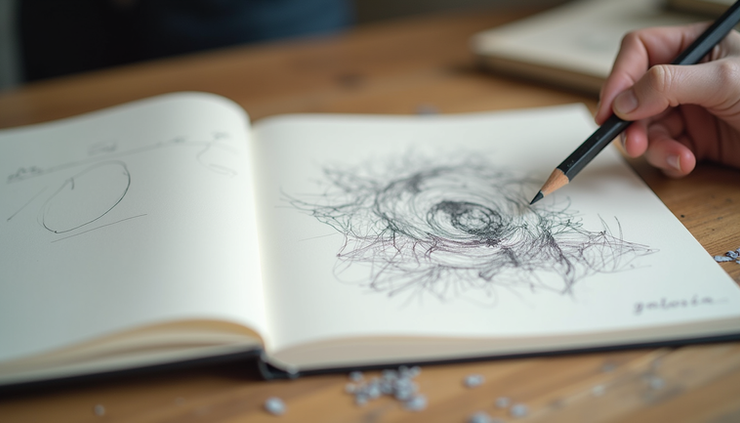
Start with Thoughtful Planning
Before putting pencil to paper or brush to canvas, spend time planning your artwork. Sketching ideas lightly and using erasable materials helps avoid heavy corrections that generate waste. Consider these tips:
Use a single sketchbook instead of loose sheets to keep all ideas in one place.
Experiment with digital sketches to reduce paper use.
Limit the number of preliminary sketches by focusing on refining one or two strong concepts.
Planning reduces the need for multiple drafts and discarded papers, making your creative process more efficient.
Reuse and Repurpose Materials
Art supplies don’t have to be single-use. Many materials can find new life in your projects:
Use the blank sides of old sketches for new drawings or mixed media.
Cut leftover canvas or paper into smaller pieces for collages or practice.
Collect paint scraps to create textured backgrounds or abstract art.
By reusing materials, you not only reduce waste but also add unique textures and layers to your work.
Choose Sustainable Supplies
Selecting eco-friendly art supplies helps minimize waste from the start. Look for:
Recycled paper or sketchbooks made from sustainable sources.
Non-toxic, water-based paints that are safer for the environment.
Refillable pens and pencils to avoid disposable plastic waste.
Many brands now offer sustainable options without compromising quality, making it easier to create responsibly.

Embrace Minimalism in Your Art
Minimalist art naturally lends itself to less waste. By focusing on fewer materials and simpler designs, you can create impactful pieces that speak volumes. Try these approaches:
Limit your color palette to reduce leftover paint.
Use simple shapes and lines to convey your message.
Focus on quality over quantity, creating fewer but more meaningful works.
Minimalism challenges you to think creatively within constraints, often leading to stronger artistic statements.
Share and Donate Leftover Materials
If you have unused supplies or scraps, consider sharing them with others:
Donate to local schools, community centers, or art groups.
Organize material swaps with fellow artists.
Use scraps for workshops or community art projects.
Sharing reduces waste and supports others in their creative journeys.



Comments