


Farmers Almanac Winter 2026 Predictions What to Expect and How to Prepare
- BoldCreations ByTJ
- Aug 16
- 9 min read
Bold Creations by TJ 8/16/2026
A winter forecast is useful only if it helps people make better choices before the first hard freeze, the first flight delay, or the first livestock water line problem. That is the best way to read the Farmers’ Almanac winter outlook for 2026. Treat it as an early seasonal guide, not a day-by-day promise.
The Farmers’ Almanac has built its reputation on long-range weather predictions that stretch months ahead. Its outlooks are popular because they give people a simple preview of what winter could feel like across the country: colder or milder, snowy or dry, stormy or quiet. For winter 2026, the big questions are familiar. Will cold air settle deep into the U.S.? Will snow favor the northern tier, the mountains, or the interior Northeast? Will ice storms and travel-disrupting coastal systems steal the headlines?
The short answer is this: the 2026 winter outlook points to a season worth preparing for early. The most practical reading of the forecast is not “panic,” but plan for swings. Many winters now bring sharp contrasts, with thaws followed by sudden cold, rain turning to ice, and heavy snow falling in concentrated bursts rather than neat, predictable patterns.

What the Farmers’ Almanac forecast is really telling us
The Farmers’ Almanac uses a proprietary long-range formula, traditionally described as considering factors such as solar activity, tidal patterns, and other atmospheric signals. That makes it different from short-term forecasts from the National Weather Service, which rely heavily on current observations, computer models, and rapidly updated data.
That difference matters. A seasonal outlook can suggest broad tendencies, but it cannot tell whether a specific town will get 2 inches of snow on February 7. The value sits in the larger pattern.
For the Farmers Almanac Winter 2026 Predictions, the practical takeaways fall into three areas:
Temperature trends
Expect periods of winter cold rather than one steady temperature pattern all season. The most disruptive stretches often come when Arctic air pushes south behind strong fronts.
Snowfall expectations
Snow is likely to be uneven. Some areas may see repeated systems while others get rain, mixed precipitation, or long dry breaks.
Significant weather events
The biggest risks may come from storms that combine wind, ice, heavy precipitation, and fast temperature drops.
That pattern would fit what many parts of the U.S. have seen in recent winters: less “classic winter” from start to finish, but more high-impact events when conditions line up.
Temperature trends could bring sharp winter swings
The most important part of any winter outlook is temperature. Cold affects home heating costs, livestock care, crop protection, road conditions, and even school schedules.
For 2026, the key message is to prepare for temperature volatility. That means mild stretches should not be mistaken for an early spring, especially in January and February. A week of above-normal temperatures can be followed by a hard freeze if the jet stream dips and allows Arctic air to spill south.
This kind of back-and-forth can be harder to manage than a consistently cold winter. Frozen ground may thaw, then refreeze. Rain can wash away snowpack, then a cold snap can turn wet roads and driveways into ice. Fruit trees and winter wheat can also be stressed if warmth comes too early, followed by sudden cold.
The regions most sensitive to these changes include:
Region | Temperature concern | What to watch |
Northern Plains and Upper Midwest | Deep cold outbreaks | Wind chills, livestock exposure, frozen water systems |
Great Lakes and Northeast | Cold snaps after wet systems | Ice, lake-effect snow, heating demand |
Central U.S. | Fast frontal changes | Flash freezes, mixed precipitation |
South and Southeast | Short but damaging freezes | Pipes, citrus, winter vegetables, pets |
West and Mountain states | Elevation-driven cold | Snowpack, mountain passes, freeze-thaw road damage |
Meteorologists often stress that winter averages can hide the real story. A season may finish “near normal” on paper while still producing two or three severe cold waves. Those short events are usually what people remember, and they are often what cause the most damage.
The expert view is clear: seasonal forecasts are planning tools. For specific storms, rely on updated local forecasts from the National Weather Service and local meteorologists.
Snowfall expectations may vary widely by storm track
Snow is usually the headline people look for first, but it is also one of the hardest parts of winter to predict months ahead. A storm track that shifts 50 to 100 miles can mean heavy snow for one city, freezing rain for another, and cold rain for a third.
The Farmers’ Almanac winter outlook is best read as a signal for where snow-friendly patterns may set up, not a guarantee of exact totals. In general, areas with the highest snow potential tend to include:
The northern tier of the U.S.
The Rockies and higher elevations of the West
The Great Lakes snowbelt
Interior parts of the Northeast
Areas near active storm tracks when cold air is already in place
Coastal areas can be harder to judge. A Northeast storm, for example, may produce heavy snow inland, rain near the coast, and a sharp mix zone in between. The same kind of challenge appears in the Mid-Atlantic, where small temperature differences can decide whether a storm becomes a snow day or a cold rain event.
Snowfall also depends on timing. If cold air arrives after the moisture leaves, the storm is a miss for snow lovers. If moisture overruns cold air at the surface, ice becomes the bigger concern.

Ice and wind could be the events to watch
Heavy snow gets attention, but ice and wind often create more serious disruptions. A half inch of ice can bring down branches and power lines. Wind-driven snow can close highways even when total snowfall is not extreme. A rapid freeze after rain can turn untreated roads into skating rinks.
The most significant winter 2026 events could include:
Ice storms in transition zones
Ice risk often rises where warm air rides over shallow cold air near the surface. These setups are common from the southern Plains into the Ohio Valley, Appalachians, and interior Northeast.
Ice storms are especially difficult because they do not need huge precipitation totals to cause trouble. Even a thin glaze can make sidewalks dangerous. More accretion can damage trees, knock out power, and slow emergency response.
Nor’easters and coastal storms
For the East Coast, the main question is whether cold air is available when coastal storms form. If it is, the Northeast and interior Mid-Atlantic can see heavy snow. If the storm tracks closer to the coast, rain and mixed precipitation may dominate near the shoreline.
These storms can also bring high winds, coastal flooding, and travel delays across major airport hubs.
Lake-effect snow bursts
Cold air moving over the relatively warmer Great Lakes can produce intense snow bands. These bands may bury one community while another town nearby sees far less. That pattern makes lake-effect snow especially tricky for travel and school planning.
Mountain snow and pass closures
In the West, winter impacts are often tied to elevation. Mountain snow is vital for water supply, ski areas, and spring runoff, but it also affects freight, emergency access, and holiday travel. A few strong storms can quickly change snowpack conditions.
How the 2026 outlook compares with previous winters
Recent winters have reminded the U.S. that “average” does not mean calm.
The winter of 2023-24 was strongly influenced by El Niño and was notably mild in many parts of the country. Snow lovers in some cities were disappointed, while heavy rain and warmth were more common than classic cold. Still, even mild winters can produce short bursts of dangerous weather.
The winter of 2022-23 brought major regional extremes, including intense cold waves and historic lake-effect snow in parts of the Great Lakes region. It showed how one or two events can define a season, even if the full winter has mixed signals.
The winters of the early 2020s also featured disruptive cold outbreaks that reached far south, including events that strained power systems, damaged pipes, and affected agriculture in areas not used to prolonged freezing conditions.
Compared with those seasons, the 2026 forecast feels less like a simple “cold everywhere” or “mild everywhere” setup and more like a reminder of winter whiplash. The most likely challenge is not one uniform pattern. It is rapid change.
That matters because people often delay preparation when December starts mild. Then a strong January pattern shift catches households, farms, airlines, and road crews off guard.
Agriculture could feel the effects first
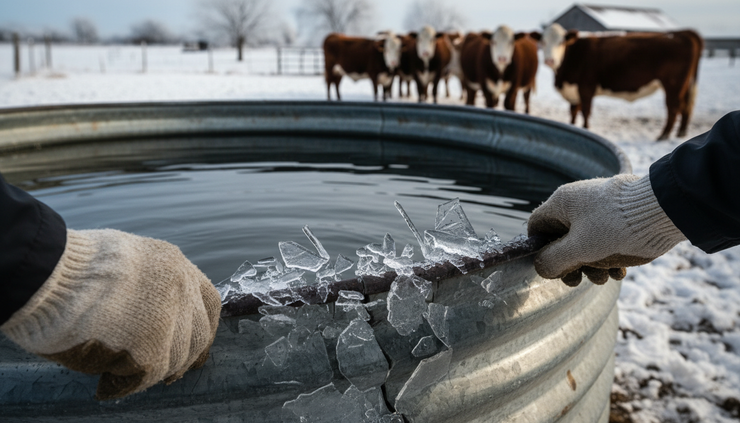
Farmers and ranchers pay close attention to long-range winter outlooks because preparation takes time. Feed, fuel, bedding, fencing, equipment maintenance, and water systems all need attention before a major cold wave.
For crop producers, winter weather affects soil moisture, overwintering crops, pest pressure, and spring planting conditions. Snow can help insulate winter wheat and replenish moisture. By contrast, bare ground during a sharp cold outbreak can leave crops more exposed.
For orchards and specialty crops, the danger often comes from false starts. If warm spells encourage early bud activity, a later freeze can cause losses. That risk is especially important in the South, Mid-Atlantic, and parts of the West where winter warmth can arrive early.
Livestock operations face different concerns:
Keep backup water systems ready in case lines freeze.
Store extra feed before roads become difficult.
Check windbreaks, shelters, and bedding areas.
Test generators before a storm threatens power.
Make a plan for newborn animals during cold snaps.
Agricultural extension specialists often advise producers to focus on flexibility. A winter with swings requires more than one plan. It may call for mud management during thaws, freeze protection during cold shots, and extra labor during storms.
Travel plans should account for short-notice disruptions
Winter travel has become more complicated because storms can intensify quickly and affect several regions at once. A storm that starts in the Rockies can slow freight routes, trigger Midwest snow, and later become an East Coast travel problem.
For winter 2026, travelers should plan around the possibility of fast-changing conditions rather than relying only on seasonal averages.
A few practical travel tips can save a lot of stress:
Build extra time into holiday trips.
Avoid tight flight connections during active winter patterns.
Check weather along the full route, not just the destination.
Keep blankets, water, snacks, a flashlight, and phone chargers in the car.
Treat freezing rain as a bigger red flag than snow.
Watch for wind alerts, especially in open country and mountain passes.
Airline delays often ripple across the country when major hubs are hit. A snowstorm in Chicago, Denver, New York, or Atlanta can affect flights far from the storm itself. That makes flexible tickets and travel insurance more useful during peak winter periods.
Drivers should also remember that the first storm of the season is often one of the most dangerous. People are out of practice, road crews are adjusting, and vehicles may not be winter-ready.
Daily life may hinge on preparation before the storm
For households, winter preparation does not need to be dramatic. The basics matter most.
Start with heat, water, food, medications, lighting, and safe transportation. If those are covered, most winter disruptions become easier to handle.
A simple home winter checklist includes:
Service the furnace or heat pump before peak cold.
Replace air filters.
Seal obvious drafts around doors and windows.
Insulate exposed pipes in garages, crawl spaces, and exterior walls.
Clean gutters before ice becomes a problem.
Test smoke and carbon monoxide alarms.
Keep rock salt, sand, or ice melt on hand.
Store enough food and water for several days.
Charge power banks before a storm.
Know how to shut off water if a pipe bursts.
Power outages deserve special attention. Portable generators can be lifesavers, but only when used safely. They should never run inside a home, garage, basement, or enclosed porch. Carbon monoxide can build up quickly and become deadly.
For people who rely on medical devices, refrigerated medicine, or regular in-home care, winter planning should happen early. That may include backup power, extra supplies, and a contact plan with family, neighbors, or local services.
Expert opinions point to a balanced approach
Most weather experts would not recommend using a single long-range forecast as the only guide for winter decisions. Seasonal outlooks can signal risk, but local forecasts become far more accurate as storms get closer.
A balanced approach uses three layers of information:
Seasonal outlooks
Helpful for early preparation, budgeting, and broad awareness.
Medium-range forecasts
Useful about one to two weeks out when patterns become clearer.
Local short-term forecasts and alerts
Best for deciding when to travel, close schools, protect livestock, or change work plans.
NOAA outlooks, National Weather Service alerts, state transportation updates, and local meteorologists all play a role. The Farmers’ Almanac adds another lens, especially for people who like to think ahead. The strongest plan combines tradition with updated science.
How to prepare for winter 2026 without overreacting
The smartest preparation is steady and practical. Do the low-cost, high-value tasks first. Then adjust as the season takes shape.
Here is a useful order:
Prepare the home
Handle heating, pipes, insulation, drainage, and emergency supplies before the first major cold outbreak.
Prepare the vehicle
Check tires, battery strength, wipers, antifreeze, and emergency gear.
Prepare for power disruptions
Test flashlights, charge backup batteries, and review generator safety.
Prepare outdoor spaces
Trim weak branches, secure loose items, store hoses, and protect outdoor faucets.
Prepare travel plans
Leave room for delays and watch the forecast several days before departure.
Prepare farm and garden systems
Protect water lines, review feed supplies, mulch sensitive plants, and plan for freeze events.
The goal is not to predict every storm. It is to reduce the number of surprises that can turn winter weather into a crisis.

The bottom line for the 2026 winter season
The Farmers’ Almanac winter outlook for 2026 is best understood as an early warning to prepare for a changeable season. Expect temperature swings, uneven snowfall, and the chance of high-impact storms that bring snow, ice, wind, or rapid freezes.
The biggest lesson from recent winters is that a season does not need to be constantly severe to cause serious disruption. One ice storm, one Arctic outbreak, or one badly timed travel storm can be enough.
Use the Almanac as a starting point. Pair it with trusted local forecasts as winter gets closer. Prepare early, stay flexible, and take every major storm on its own terms. That approach will serve households, farms, travelers, and communities better than any single prediction.


Comments