


Ultimate Guide to Watching the Geminid Meteor Shower: Timing Tips and Best Locations
- BoldCreations ByTJ
- 3 days ago
- 3 min read
12/9/2025
The Geminid meteor shower ranks among the most spectacular annual celestial events. Each December, the night sky lights up with dozens of bright meteors streaking across the darkness. If you want to catch this dazzling show, knowing when and where to watch makes all the difference. This guide covers everything you need to enjoy the Geminids, from timing and locations to practical tips for the best viewing experience.

What Are the Geminid Meteors?
The Geminid meteor shower occurs when Earth passes through debris left by the asteroid 3200 Phaethon. Unlike many meteor showers that come from comets, the Geminids originate from this rocky asteroid, which makes their meteors slower and brighter. The meteors appear to radiate from the constellation Gemini, which is how they get their name.
The Geminids are known for their reliability and intensity. At peak, you can see up to 120 meteors per hour under ideal dark-sky conditions. Their bright trails often last longer than those of other showers, making them easier to spot.
When to Watch the Geminid Meteor Shower
The Geminid meteor shower typically peaks around December 13th to 14th each year. The exact peak night can vary slightly, but these dates offer the best chance to see the most meteors.
Best Time of Night
After midnight until dawn: The Geminids become more visible after midnight because the part of Earth you are on faces the direction of the meteor stream.
Avoid the moonlight: Check the moon phase. A bright moon can wash out faint meteors. If the peak coincides with a full or nearly full moon, try to watch during the darkest hours after moonset.
Duration of the Shower
The Geminids are active from early December through about December 17th. While the peak nights offer the highest meteor counts, you can still see meteors on other nights if the sky is clear.
Where to Watch the Geminid Meteor Shower
Finding the right location is key to a great meteor shower experience. Here are some tips on where to go:
Choose Dark Skies
Light pollution from cities and towns drastically reduces the number of meteors you can see. Aim for rural areas or designated dark-sky parks. National parks, remote countryside, and high-altitude locations often provide excellent conditions.
Look Toward Gemini
The meteors appear to radiate from the Gemini constellation, which rises in the east in the evening and climbs higher through the night. While you don’t need to stare directly at Gemini, having it in your peripheral vision helps.
Avoid Obstructions
Pick a spot with a wide, clear view of the sky. Avoid hills, trees, or buildings that block your view of the horizon.
Tips for the Best Viewing Experience
Watching a meteor shower is simple but can be much more enjoyable with a few practical tips:
Dress warmly: December nights can be cold. Wear layers and bring blankets or a sleeping bag.
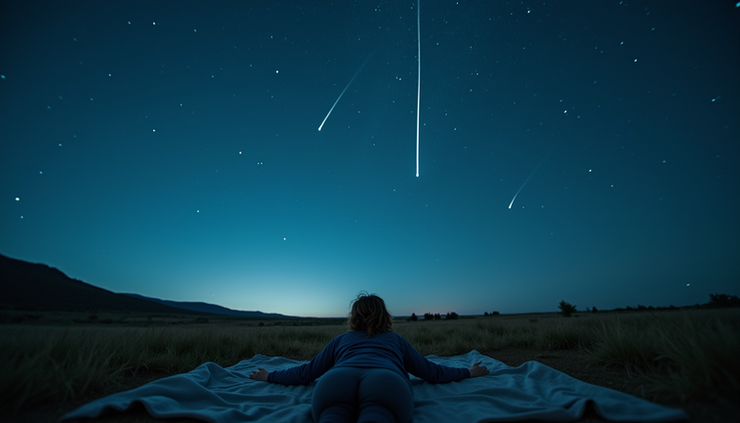
Bring a reclining chair or blanket: Lie back comfortably to see as much sky as possible without straining your neck.
Give your eyes time to adjust: It takes about 20-30 minutes for your eyes to fully adapt to the dark. Avoid looking at bright lights or screens.
Use red light: If you need a flashlight, use a red filter or red LED light to preserve night vision.
Be patient: Meteors come in bursts. Watching for at least an hour increases your chances of seeing many.
Check the weather: Clear skies are essential. Cloud cover will block your view.
Avoid distractions: Turn off your phone or put it on airplane mode to stay focused on the sky.
What to Expect During the Geminids
The Geminids produce bright, colorful meteors that often leave glowing trails. Unlike some showers with fast, faint meteors, the Geminids are slower and easier to track. You might see meteors in shades of white, yellow, or even green.
The shower is also known for occasional fireballs—very bright meteors that can light up the sky and last several seconds. These are a special treat for any observer.

Final Thoughts on Watching the Geminid Meteor Shower
The Geminid meteor shower offers one of the best opportunities each year to witness a natural light show in the night sky. By planning ahead—choosing the right night, finding a dark location, and preparing for cold weather—you can maximize your chances of seeing dozens of bright meteors.


Comments